
When your financial strategy is unclear, so is the path forward.
Explore What's PossibleUnderstanding and Improving the Financial Foundations That Support Performance
When organizations lack clarity around cash flow, margins, or forecasting, performance becomes harder to measure. Strengthening financial health helps create the stability and visibility needed to operate — even as conditions change.
This page explores common financial challenges and how organizations address them as part of a broader performance effort.
What Financial Health Really Means
Financial health goes beyond producing accurate financial statements. It reflects how well an organization understands and manages the financial factors that influence day to day operations and long term decisions.
Organizations with strong financial health typically have:
- Clear visibility into cash flow and working capital
- A reliable view of margins and cost drivers
- Forecasts that reflect reality
- Financial data that supports decision making
The Role of Financial Health in Performance
Optimizing performance focuses on improving outcomes across finance, technology, and operations. Financial health provides the visibility needed to make informed choices and track performance reliably.
Common Financial Health Challenges
Many organizations experience financial strain not because of a single issue, but because small gaps compound over time.
Common challenges include:
- Limited insight into cash flow timing and variability
- Forecasts that don’t account for operational or market changes
- Difficulty understanding true profitability by product, service, or customer
- Manual processes that slow reporting and increase risk of error
- Financial data spread across systems that don’t communicate well
Don't let financial complexities hold you back.
How Organizations Address Financial Health
When a chemical manufacturing company’s controller took an unexpected leave, they needed immediate financial leadership to keep operations running smoothly. Our Client Accounting Services team stepped in to provide interim controller support, ensuring business continuity without disruption.
The company had recently self-implemented NetSuite for its manufacturing and assembly processes, but critical errors in setup were preventing accurate cost tracking. Inventory balances weren’t properly reconciled with raw materials, purchase orders, or warehouse processing centers — making sales and purchasing decisions difficult.
We recalibrated NetSuite to ensure assembly transactions and inventory costs were properly recorded. Beyond that, we optimized key accounting functions by automating banking and credit card imports and creating structured templates for data uploads, foreign currency transactions, rebates, and period close.
How We Helped
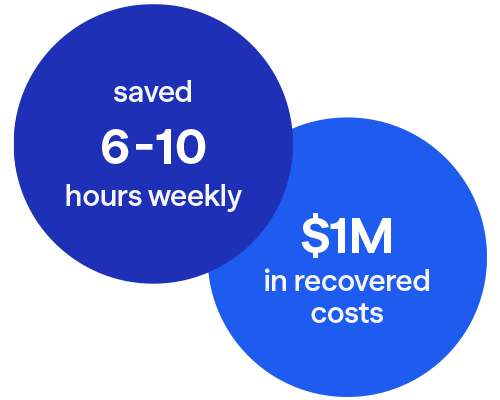
- $1M in recovered costs.
- Eliminated a part-time bookkeeping position.
- Freed up 6-10 hours per week for the accounting team.
- Seamless onboarding of a new controller.

Financial Health as an Ongoing Discipline
When you have a clear line of sight into the core business areas, you can make smarter, faster decisions that have an immediate impact.
Perform Resource Hub
This hub provides guidance, tools, and real examples for the mid-market. Explore curated insights and practical resources for operational, financial, and technology leaders.
Access & Visibility
This page explores common visibility challenges and how organizations address them as part of a broader performance effort.
Common Questions About Financial Health
What does financial health mean for an organization’s performance?
How does financial health affect decision-making and planning?
What are common signs that financial health needs attention?
How does financial health connect to operational and technology performance?
How does financial health fit into Eide Bailly’s Perform focus?