

Case Study

How a Critical Access Hospital Strengthened Cash Flow During a Major Facility Expansion

Hospital Staff
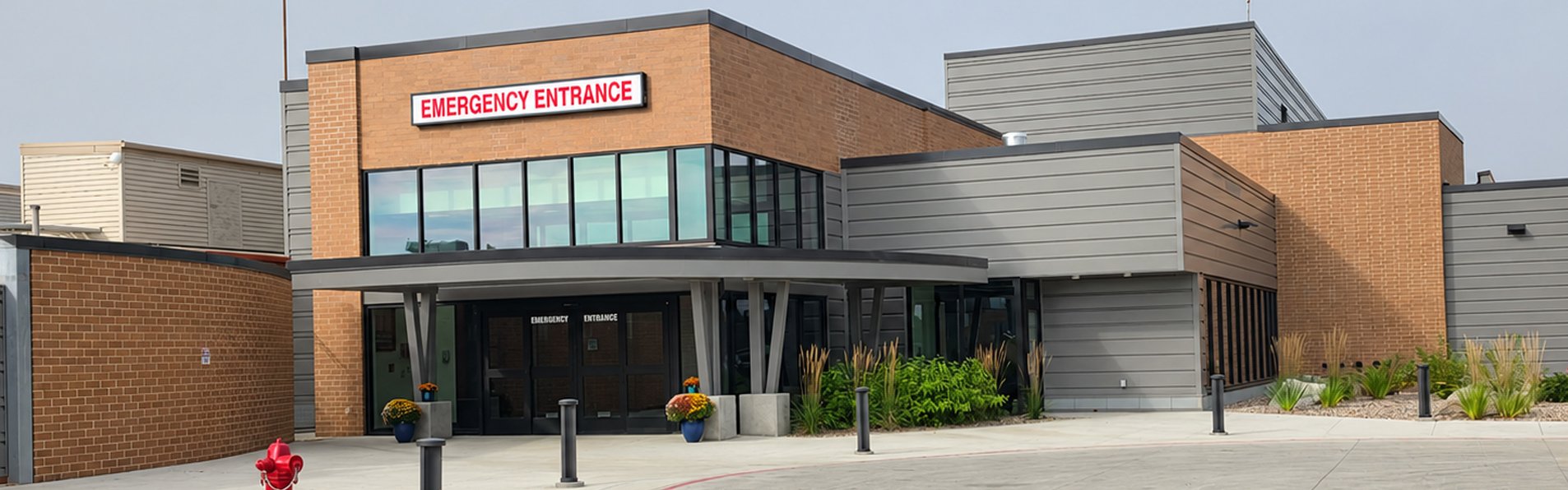
Mobridge Regional Hospital
Mobridge Regional Hospital & ClinicsMobridge, SD

Established in 1959, Mobridge Regional Hospital (MRH) is a 25-bed Critical Access Hospital serving a five-county area in northcentral South Dakota. Rural residents rely on MRH for medical, surgical, obstetrical, intensive, and emergency care, as well as advanced radiology and cardiac rehabilitation services.


In 2017, MRH began planning an expansion to address rising emergency department volumes. However, as planning progressed, it became clear that the challenge extended well beyond a single department. Through ongoing collaboration with Eide Bailly, MRH identified a more comprehensive path forward.

Key Results
  • Accelerated Medicare cost recovery
  • Improved near-term cash flow
  • Enhanced accuracy and defensibility of cost reports
  • Increased organizational flexibility
  • Inspired confidence in ongoing and future projects
  • Preserved financial security amid uncertainty
Get a consultation from a partner you can trust.

The Challenge

Rising demand and an outdated facility created operational strain and financial pressure during a critical expansion.

Like many rural hospitals, MRH expanded incrementally over time — responding to immediate needs rather than following a long-term facility strategy.

“Historically, whenever additional space was needed, departments were added wherever room was available on campus,” said John J. Ayoub, CEO of Mobridge Regional Health. “After nearly 60 years of service to our region, the result was a facility layout that no longer supported efficient patient care or staff workflows.”

Key departments were physically separated, creating operational strain. The emergency department was located far from imaging services, and prep and recovery areas were not adjacent to the operating room. Departments such as OB and inpatient, and the emergency department, often had to be staffed independently even when patient volumes were low.

While expanding the emergency department would have addressed an immediate concern, it would not have resolved broader challenges related to patient flow, staffing flexibility, and long-term sustainability.

After evaluating renovation versus replacement, MRH elected to pursue a comprehensive four-phase expansion and renovation.

The project represented a significant financial commitment. Although MRH maintained a strong financial position, leadership sought to preserve liquidity and maintain flexibility during the critical period following construction. To support the project, the organization explored opportunities to strengthen cash flow and maximize cost-based payor revenue. Without additional financial flexibility, MRH faced increased pressure on cash reserves, debt service coverage, and covenant compliance during a critical period of growth.

The Strategy

A cost segregation strategy accelerated depreciation and helped the hospital recover project costs more quickly.

During ongoing collaboration, Eide Bailly identified an opportunity to improve project-related cash flow through cost segregation, a way of classifying building components into recovery periods. This helps organizations recognize more depreciation earlier and more cost-based revenue based on present value.

Within a week of reviewing preliminary findings, MRH engaged Eide Bailly to move forward.

“As we moved deeper into the analysis and better understood the mechanics and long-term implications, it became clear that the opportunity aligned extremely well with our organization’s goals and reimbursement structure,” Ayoub said. “Given both their technical expertise and our long-standing relationship, Eide Bailly was a natural partner for the engagement.”

The strategy aligned particularly well with MRH’s status as a Critical Access Hospital. By accelerating depreciation, MRH could recover eligible costs more quickly through the Medicare cost report process — introducing financial benefits and reducing long-term uncertainty in a changing reimbursement environment.

"The Eide Bailly team combined deep technical expertise with a practical, collaborative approach, making the process efficient and valuable for our team."
John J. Ayoub
Chief Executive OfficerMobridge Regional Health

The Impact

Improved near-term cash flow and financial flexibility supported stability and confidence during a critical phase of expansion.

Through accelerated depreciation, MRH has:

  • Recovered eligible project costs more quickly
  • Improved near-term cash flow during a critical phase of construction
  • Strengthened balance sheet flexibility
  • Increased confidence in managing long-term financing obligations

The results were substantial: approximately $750,000 in increased cash flow compared to invoice componentization methods. Just as importantly, the strategy helped maintain financial stability during a period of uncertainty.

“Maintaining adequate reserves and reducing the risk of financial strain related to debt covenants and project financing reinforced our confidence in moving forward with the project,” Ayoub said.

The engagement also delivered operational clarity. Through detailed on-site assessments, MRH improved the accuracy of departmental square footage allocations and asset classifications. This validation ensures cost report data is precise, supportable, and aligned with actual facility use, strengthening the defensibility of reimbursement claims.

“We are grateful for the partnership with Eide Bailly and the opportunity to strengthen our organization while advancing a project that will benefit our patients and rural communities for decades to come,” Ayoub said.

Rural Hospital